Soft washing
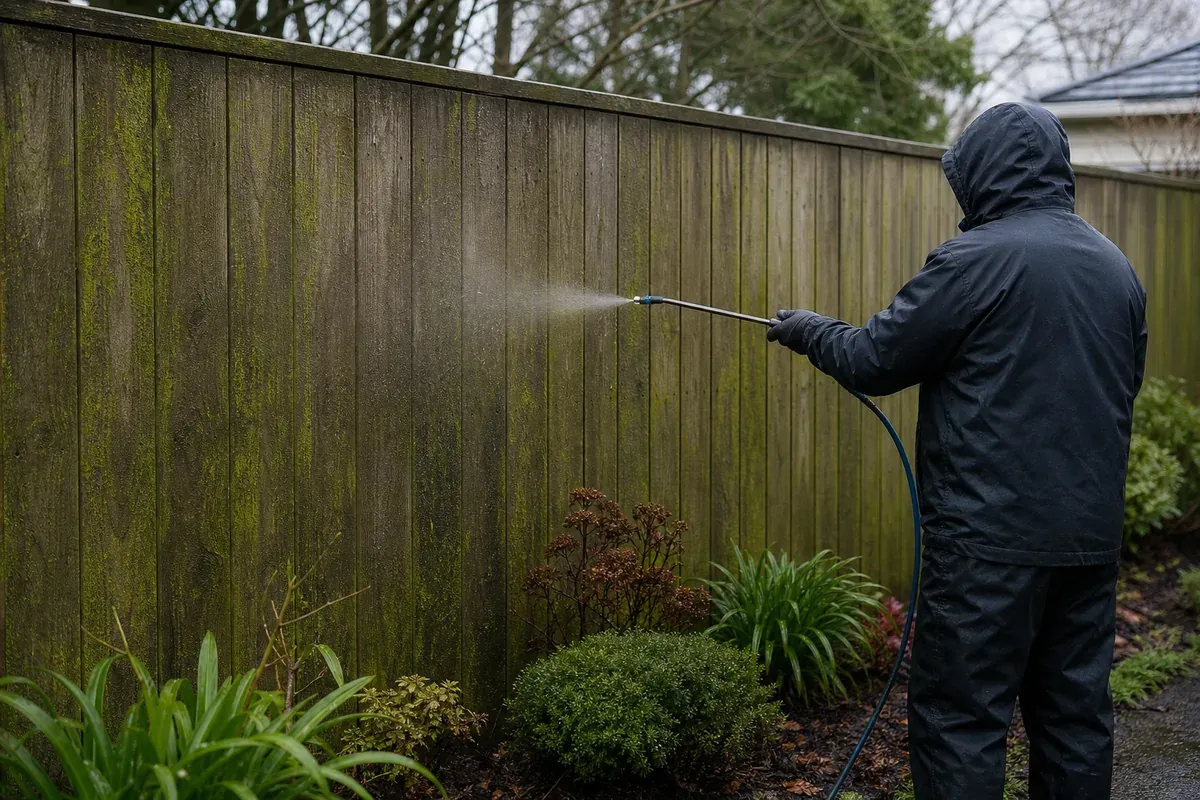
- Low-pressure application
- Controlled cleaning solution
- Organic growth on suitable exterior surfaces
- Treats growth at the source rather than blasting it off
How it works
The correct method depends on the material, its condition, and the growth present. Assessment comes before pressure, solution, or equipment choice.
Softwashing
Softwashing uses low pressure and a controlled cleaning solution so organic growth can be treated thoroughly—often reducing the need for aggressive pressure on suitable surfaces. We prepare with plant-aware rinsing in mind; no clean is zero-risk, and not every surface suits every method.
Cleaning solution is applied gently—so surfaces are treated, not blasted.
A measured mix targets mould, algae, moss, lichen, and organic growth.
The treatment works at the source while we watch over plants and surrounds.
Residue is rinsed away, leaving a cleaner surface ready to stay that way longer.
Method choice
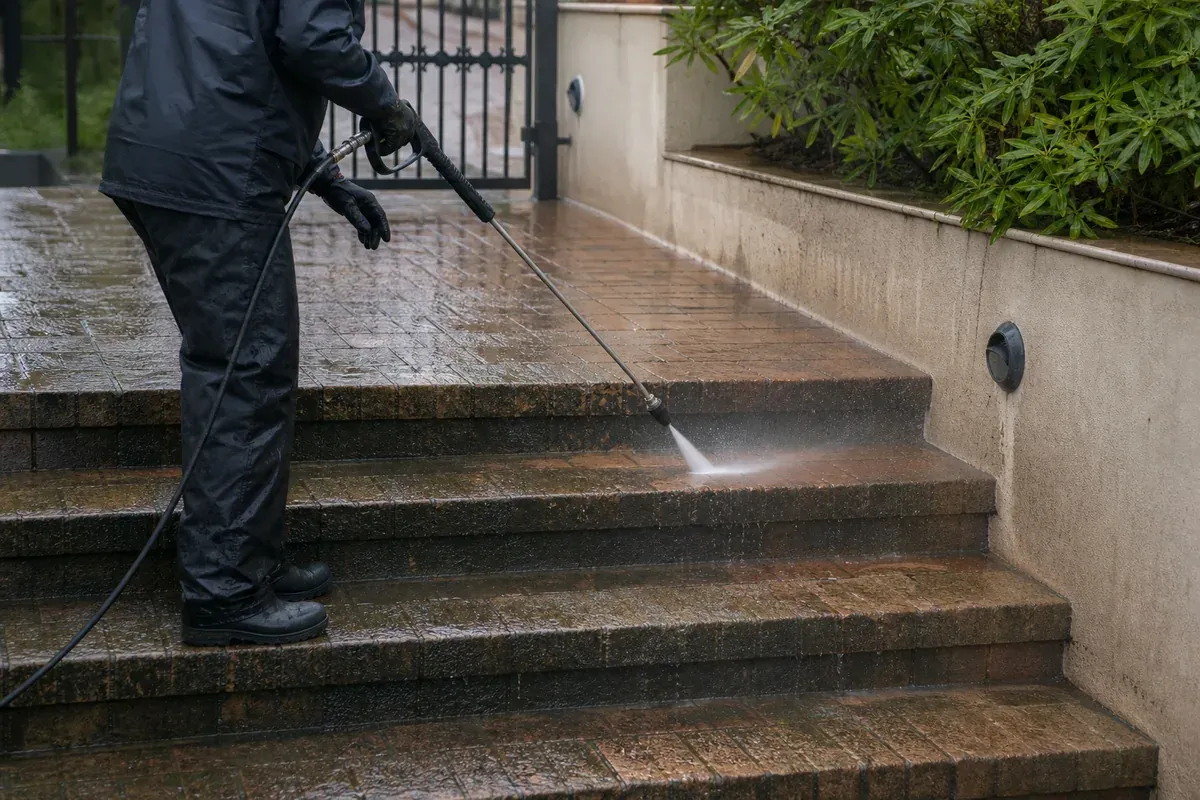
The correct method depends on the material and condition. Pressure washing is not universally wrong—it is simply the wrong tool for some surfaces.
How it works
From first look to final rinse, the Cleanline approach keeps the process clear and surface-led.
We identify the surface, contamination, and the method that fits.
Plant-aware preparation and careful setup around sensitive areas.
Soft wash, pressure wash, or pure-water windows—chosen for the material.
A thorough finish, then a clear summary of what was done.
Clean the growth. Keep the surface.
Request a free quote or call Moses at Canterbury Softwash Solutions. We’ll recommend the right clean for the surface.